You CAN do this! It might be a little intimidating to try it out for the first time, but you can do this. It was 17 degrees on Troop 2018’s first camping trip. The only one of us who had ever camped in the cold weather before was our first Assistant Scoutmaster. He taught us how to do it. We survived, and we will teach you how to do it too. It’s a huge confidence builder to wake up warm in the morning and know you made it! You don’t need to do all of these things to stay warm, but any of them can help make a difference, and a few of them are “must’s.” Pick and choose your path to success for cold weather camping.
“Be Prepared!” Check the weather to plan ahead and pack what you need. Remember that sleeping bag temperature ratings are generally a “keep you alive” number and not so much a “keep you comfortable” number. A 0-degree bag might make a fantastic holiday or birthday gift, so keep an eye out for sales at the end of the season. If your sleeping bag isn’t rated for the cold you’ll be facing, you still have plenty of options to make your trip a warm and successful one. First, carefully store your sleeping bag when you are not camping so that it doesn’t get compressed. More loft = more air insulation to keep you warm. Some manufacturers give you more than one bag so you can compress it in a smaller bag for easy packing for your camping weekends, and then keep it fluffed up in a bigger bag for longer at-home periods between your trips. Some manufacturers also advise you to store your bags inside-out to reduce the likelihood of compression. You can bring more than one sleeping bag and then tuck one inside the other if yours is not rated for the cold you’ll be sleeping in. Mummy bags are generally warmer than rectangular ones. If your bag is too big for you, tuck the extra length (and width) under your feet or pull it in around your body so you don’t have as much of an air pocket for your body to warm up. You can also use a sleeping bag liner to increase the warmth of your bag. You can also tuck a blanket or 2 in your sleeping bag, wear some extra warm layers, or pile on a reflective survival blanket (those thin shiny metallic-looking things) to reflect the heat back down to your body. Another good idea is to practice getting into your sleeping bag at home, so you know how to pull all the little lanyards, etc. inside to effectively seal off heat loss. It’s not fun trying to figure that out late at night in the dark when you are already cold and tired. Sleep with your face sticking out of your sleeping bag so you don’t breathe extra moisture into your bag and sleepwear. Remember, if you’re cold when you first jump into your bag, give your body a few minutes to warm up your sleeping bag/layers. It can take a few minutes to start to feel the heat build up.
Cots aren’t a good idea in the cold unless you have a very well insulated pad on top of it because you’ll have nothing but your compressed sleep system layers and cold air underneath you. Some of the Scouts like to tuck the next day’s clothes into the bottom of their sleeping bag so they have something warm to put on in the morning. It’s easier to get dressed inside your sleeping bag if you’re small. Make sure your tent vents are open, or your tent will gather the moisture from your breath and then condense it into raindrops that will fall onto you at night. You don’t want to be wet in the cold, and especially when you are tying to sleep. Likewise, make sure your water bottle it tightly sealed if you bring a water bottle into your tent. Having food in your tent is for another discussion about bears another time, but it’s worthwhile to add a thought here just to make sure nothing slips by: there is NO food allowed in our tents, EVER! If you are not sure if something had crumbs in it, don’t take it into the tent. If you bring a water bottle in the tent, make sure it only has plain water in it.
Ground pad: it’s a must. These usually have insulation ratings. Sleeping flat on the ground or on a pool-style blowup raft offer no insulation from the cold ground, so your body spends an incredible amount of energy trying to warm the entire cold Earth underneath it. You can also boost the effectiveness of your ground pad by layering on a blanket, space blanket, or metallic bubble wrap underneath it or underneath you. Some campers like to bring something to cover more of the floor, like thick yuga mats or foam playroom squares.
Hand warmers! These can be huge morale boosters if the weather is cold and miserable for the entire campout. They’re great to tuck into pockets during the day and can be wonderful tucking them into your sleeping bag at night. They can sometimes get a little too warm to be right next to your skin, so you might want to wrap them up in something like a spare sock. Many of us like to put one by our feet and one by our core to keep us warm.
Cracker barrel: eat something just before bedtime to rev up your metabolism a little so it is easier to make heat. We always include a bedtime snack in cold weather, so make sure you don’t try to sneak off to bed early because you’ll miss this!
Dressing: pack lots of layers. Wool and synthetics are the best for cold weather and having layers will allow you to add them when you are cold and remove them when you get too warm. Getting too warm can lead to sweating, which will eventually make you colder as your sweat evaporates. Cotton is known by survivalists as “the death fabric” because it absorbs moisture and then doesn’t insulate well. If it gets wet, it will steal your body heat as it slowly evaporates. Avoid anything cotton, if at all possible, especially for socks and a base layer. This principle needs to be remembered at bedtime, even when you are cold and tired and just want to pass out. Change everything just before bedtime, especially your socks and underwear. Whatever you wore during the day has absorbed enough moisture to make you cold at night. Cold, damp feet = a miserable long night. If you are going to run to the bathroom one more time before sleeping, or do anything else before bedtime, wait to change into your sleepwear until you have completed all this other stuff to make sure your sleeping layers are completely dry. A tip from a well-seasoned Scouter a few years ago revealed a nice luxury. If your feet tend to get cold at night, wear slippers or down booties inside your sleeping bag for some extra toasty happy feet. Wear a warm hat at night, too. You lose a lot of heat through your head, and this can also help keep you warmer if you have to get out of your sleeping bag for something. You can leave a spare fleece jacket nearby if you need another layer into your sleeping bag, or you can also toss your winter coat on top of your bag if you need a little extra boost.
Pee! Go before you go to bed, and don’t forget to take your buddy! This serves three functions:
- One, you’ll raise your metabolism a bit and generate some body heat by walking around, which will help you feel warmer when you first get into your bag. It’s best to do this before changing into your sleep clothes so you don’t get them damp walking around. If you wake up and have to go, definitely wake your buddy to go with you, and go pee.
- Two, survival experts have determined that your body uses more energy to hold pee in than it does to warm itself up again after you’ve been out in the cold (even if you have to pull your pants down in the cold). Suffering in your sleeping bag when you really have to go will make you miserable for the rest of the night, and you’ll also be extra tired in the morning.
- Three, by taking your buddy with you the first time, you’ll reduce the likelihood that your buddy will wake you later on because she has to go.


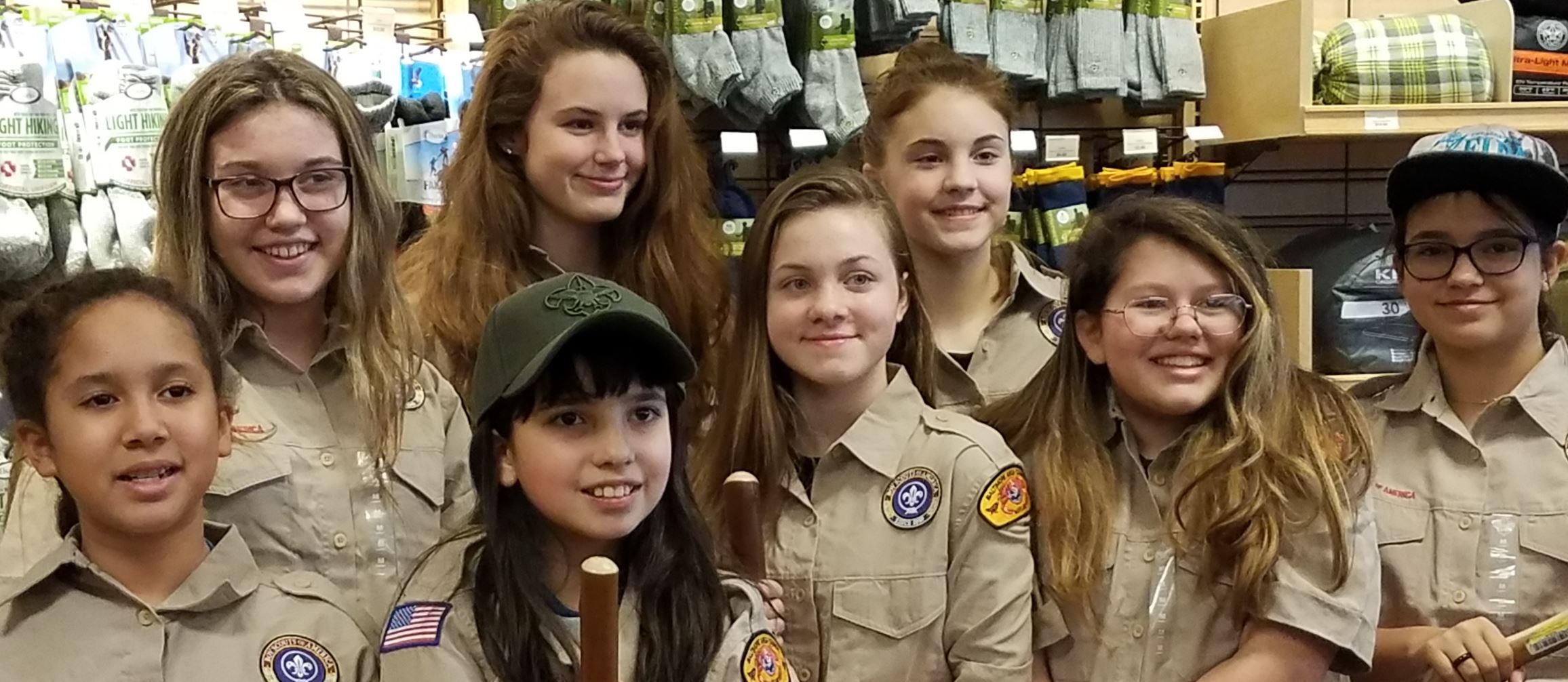


 Welcome to Troop 2018!